In order to analyse the data collected from our trip, we first categorised it into three reoccurring themes: Alcohol, Drugs and The Sex Industry. This highlights which aspects of Amsterdam culture were most significant in the changing morality of the participants.
We coded this data by following the guidelines offered in Research Methods for Clinical and Health Psychology (Jeffe and Yardley, 2004):
‘Coding involves noting patterns in the data and dividing up the data to give greater clarity regarding their detailed content. In order to do this, the patterns are labelled with codes. Distinctions are drawn between different aspects of the content by organising the data into a set of categories’ (59).
When reading further into this text, it became apparent that there are two outcomes of coding, one whereby you count the amount of times a sentence or word reappears, and the second whereby you group the data based on themes and allow them to remain in an in depth format. Our project requires qualitative data, and therefore we opted for the latter of these techniques.
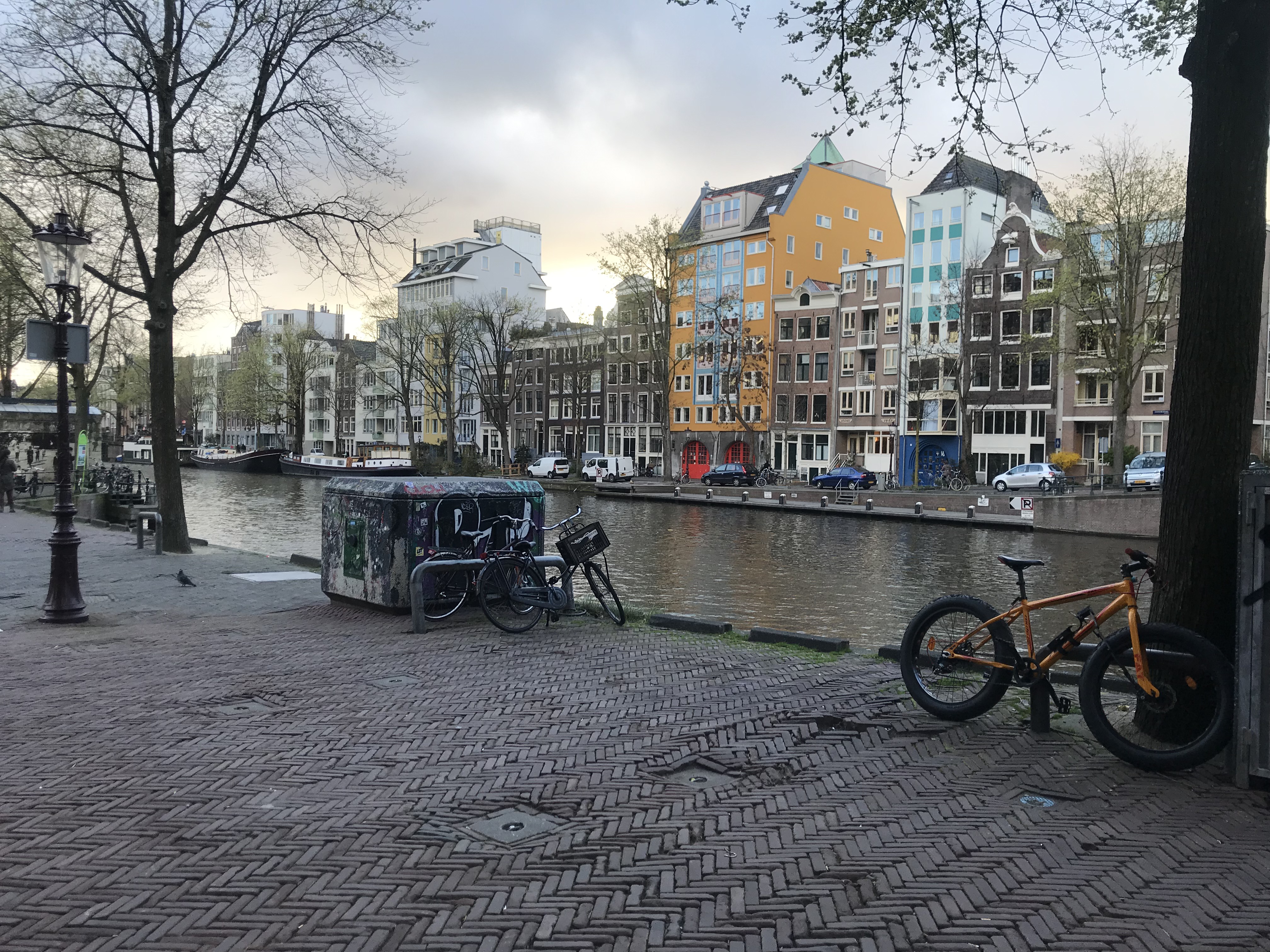
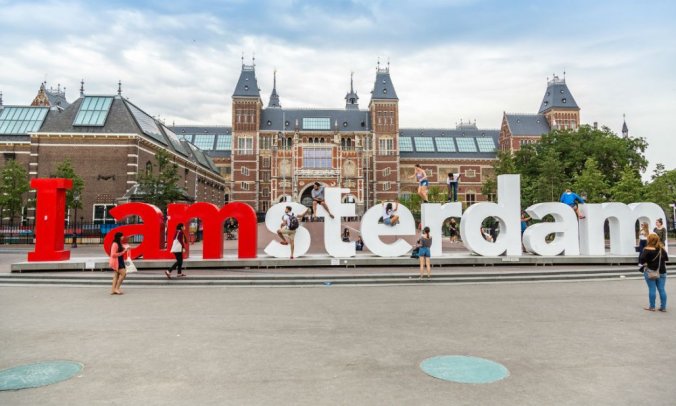
We arrived at the hotel on Sunday afternoon, everyone was eager to get out and explore Amsterdam. As a group, we walked to the centre of the town to grasp an understanding of the area; from this point on it was clear to see Amsterdam thrives from the tourist community.
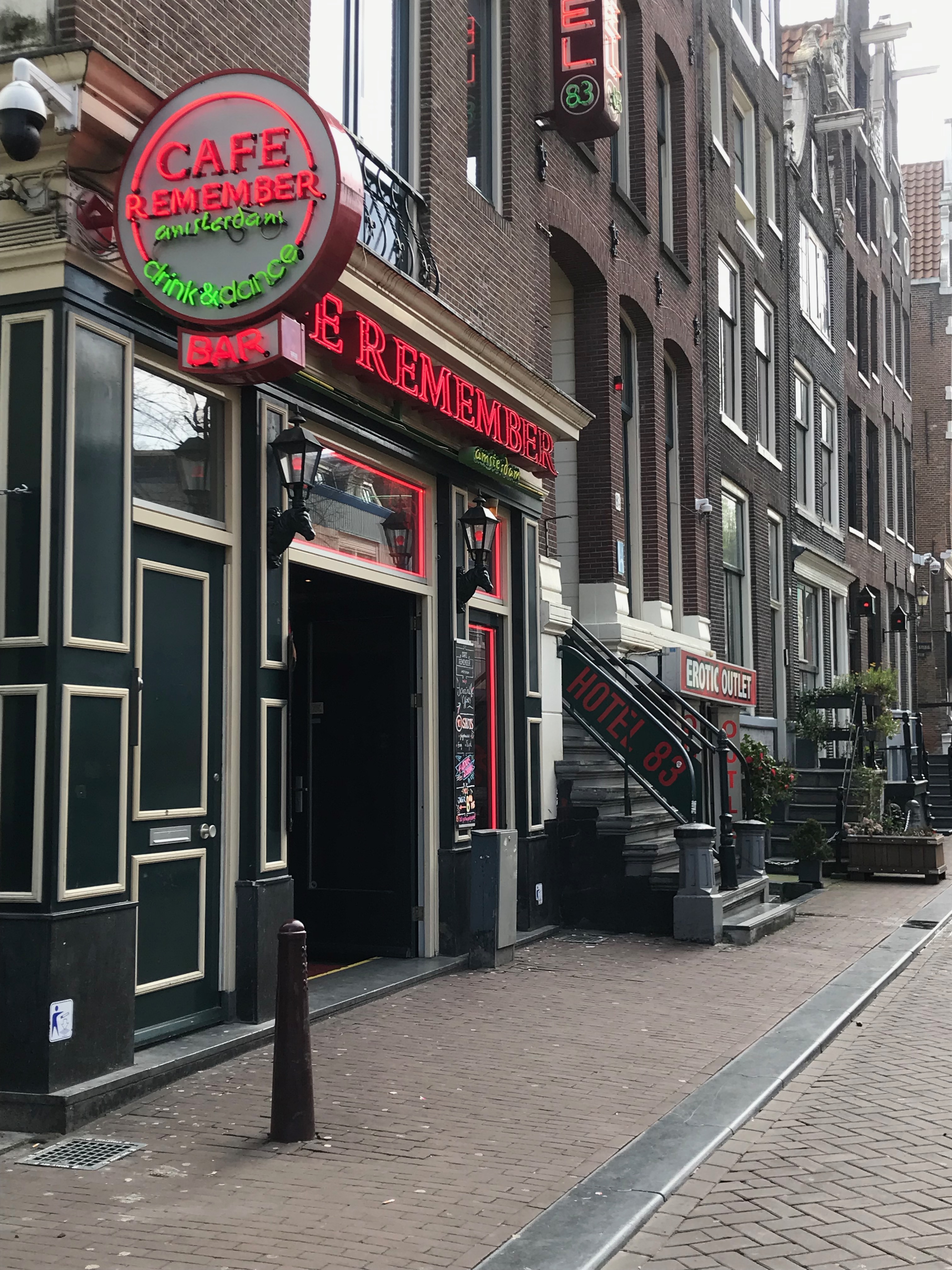
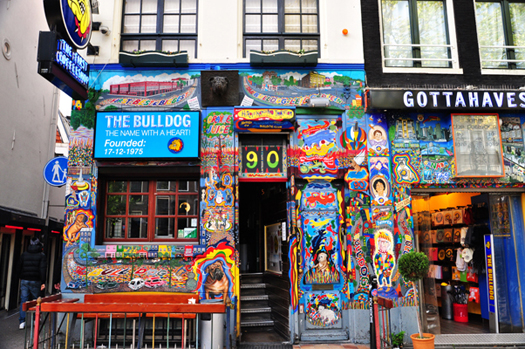
As this was my first visit to Amsterdam, I didn’t really know what to expect. when walking through the town I became mesmerised by the amount of coffee shops and bars throughout. The centre is full of culture and stunning scenery.
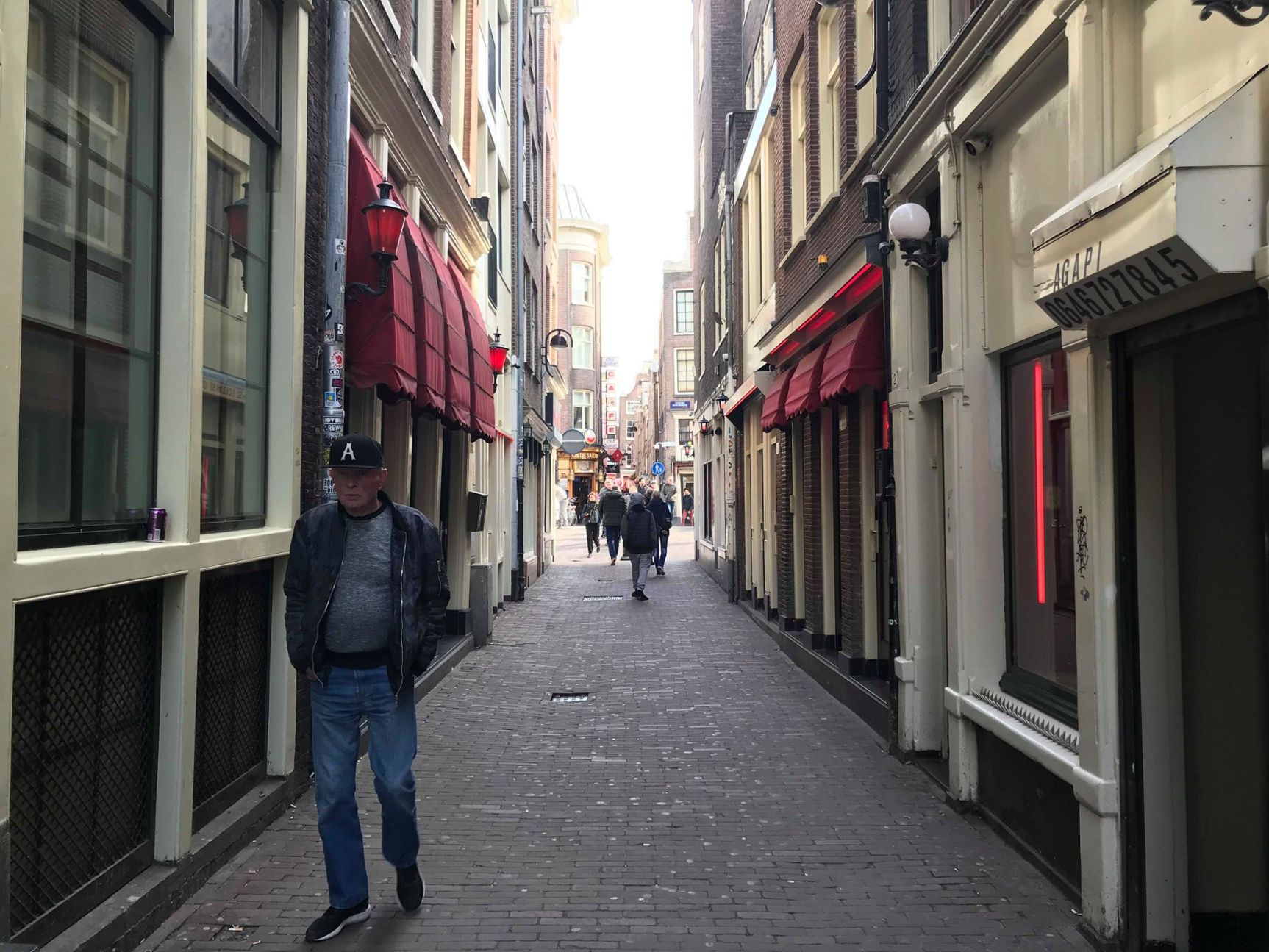
In my group, we decided to go explore the red light district as we had never seen it before and we were intrigued as to what it would look like. When walking through the area it was clear to see the women in these windows were in full control over the clients, they had the power to refuse business, choose their clients and who they engage with. This actually came as a bit of a shock to me. Previous to seeing this I was under the impression, from people who have previously been and the general stereotypes of sex workers in Amsterdam, that these women were working in the windows only as a means to support themselves financially.
The prostitute information centre tour further normalised this job, it became clear that the women were actively fighting for sex workers rights, as ‘sex work is work’. The sex work industry is thriving in Amsterdam, not just the windows but peep shows, sex shows and sex museums. It is a part of Amsterdam’s culture and is enticing for all tourists.
During the next few days in Amsterdam, as a course group we actively became engaged with the culture of Amsterdam; visiting coffee shops, nightclubs, walking through the red light district, museums, and peep shows. Reflecting on my own changing morals and behaviours, it is evident that my behaviours did change in comparison to a normal week in the UK, we were drinking alcohol everyday, engaging in the novelty of the different laws and legislations; I think it is important to recognise how the changes in the laws and culture effecting me even when on an academic trip.
To prepare for the interviews that will take place in Amsterdam we have contacted owners of coffee shops, pubs and cafes to ask permission to conduct interviews in their environment. We hope to hear back from some of the places as we feel that if we were to sit in a comfortable environment this would benefit our results. We would be able to gain a greater rapport with the participants, allowing them to go into more detail and feel less rushed in comparison to approaching strangers on the street.
The sample for our research project is five people who are on the field trip, and at least five who are tourists in Amsterdam. The five who are on the field trip will take part in an interview prior to going to Amsterdam. These will be semi structured interviews asking questions about their likelihood of engaging in deviant or criminal activity when in the UK. We will then interview the same five people whilst in Amsterdam asking them the same questions. These results will then be cross analysed and hopefully we should see a change in the behaviours, and morals, of the individual’s when in a foreign country with differing laws.
Whilst in Amsterdam each of us intend to log our experiences at the end of each day, these diary notes can then be used to support the results and will be put into the final write up of the project.
The research topic myself and my group were initially interested in- ‘how the morals of individuals change, dependent on the laws and culture of the country they are in’- has remained the same. Although there is little to no literature based on this topic linked to Amsterdam, there is interesting insights into morals and holidays in more general terms.
Briggs (2013) delves into the holiday culture of Ibiza; his findings generate that the mass majority of individuals attending Ibiza are doing so to ‘make up for lost time’ (58). They set out to live up to the nightlife, by partaking in a week-long ‘bender’ that they can no longer do at home due to the culture of adult life in England. These findings suggest that in our research we may find the reasoning behind a change in behaviour, or willingness to do something, may be due to the want of doing it in England but the stereotype and negative connotations attached to it- e.g smoking weed.
Mura (2010) conducted a study on the Greek island Ios; the study set out to find out about young tourists and their involvement in risky behaviours. The findings show that the younger generations go on holiday to ‘let oneself go’ (39) they engage in risky behaviours such as excessive amounts of alcohol intake, drug taking, and sunbathing in the nude; behaviours which may be considered irrational or deviant in the UK. When questioned further as to why they partake in acts perceived as a risk the general response was that they were on holiday, so although they are aware of the risks, they are just getting involved with the party island culture. The willingness to engage in risky acts when abroad reflects our research question, the change in culture and laws changes the perception of how the individual sees the act, and therefore alters their likelihood of engaging in the act.
From a brief literature review, it is clear to see that young people tend to leave their everyday morals behind in the UK when visiting a tourist destination. From the writings on tourist culture and behaviour i believe it is safe to predict that in my groups research project we will also see this pattern.
The aim of my blog is to track the progress, share my thoughts, and give a general overview of my experience of conducting a research project internationally.
As a group- myself, Rosie, Chris and Ryan – will be conducting a research project in Amsterdam. The purpose of the research is to find out how an individual’s morals and behaviours change when they visit a country that has differing laws to their own.
Amsterdam is well known for its relaxed drug policies, and the red light district; which is often a foreign concept for travelling Brits. We aim to investigate whether an individual is more likely to engage in acts, such as taking drugs and prostitution, due to the legislations within Amsterdam, or whether they still see these concepts as illegal and would deter away from them due to the laws within the UK. Prior to conducting any research, my expectations of the findings are that, the differing culture and laws within Amsterdam will encourage tourists to indulge in behaviours and acts they would not normally do so when in their home country.
Throughout this project I will be posting updates of the successes, failures and results of the research, both prior and post, our trip to Amsterdam.







 Morality and Law